

Wedding Day Guide from a Melbourne Wedding Photographer – Smooth Planning
Many brides ask me, “How can we make our wedding day run smoothly and still get great photos?” They don’t want to repeat the same mistakes they’ve seen at friends’ weddings — missing important family photos, dealing with unexpected weather, or falling far behind schedule.
I’m Nick, a full-time Melbourne wedding photographer since 2020. I photograph around 70–80 weddings each year. In addition, as a data curator at Tree Studio, I have access to a large archive of real wedding galleries photographed by different professionals. This gives me a broader, behind-the-scenes understanding of what truly happens on a wedding day — what matters most to couples and their families, and which small details are often overlooked but later become regrets.
Even though I always have a pre-wedding meeting with my couples about a month before the wedding, there are still many important details that can’t be fully absorbed in one conversation. If too much information is shared at once, couples can feel overwhelmed and even more anxious. Simply put, it’s impossible to digest everything in a single meeting.
That’s why I decided to write this complete wedding day guide — to help couples understand how to prepare, what to prioritise, and how to feel confident in their planning, all from a wedding photographer’s perspective.
This guide brings together the core ideas from my other resources, including wedding photography checklists and wedding day timelines, combined with my five years of hands-on experience photographing weddings. The goal is to create a comprehensive, practical guide for couples who want a well-organised, stress-free wedding day.
I recommend reading this guide when you first start planning your wedding, ideally 6–12 months in advance. It includes many fine details that will become clearer each time you revisit it. During our pre-wedding meeting, I’ll then highlight and reinforce the most important points, so everything feels calm, organised, and achievable.
Table of Contents
Groom Preparation Photography
What to Expect & How to Get the Best Photos Groom Preparation
Wedding photography usually begins with the groom’s preparation. In most weddings, the groom arrives at the ceremony earlier than the bride, while the bride and bridesmaids often require more time for hair and makeup.
There are a few logistical exceptions. For example, the bride may be getting ready far from the ceremony venue while the groom stays nearby, or the groom may be preparing at the ceremony venue itself. In these cases, the timeline may be too tight for the photographer to travel back and forth.
However, for the majority of weddings, starting with groom preparation is the most efficient and stress-free approach.
Before the photographer arrives, I recommend preparing the following in advance:
- Tidy the room the day before the wedding
- Shower and get ready early (not joking — I’ve photographed groom preparations where groomsmen returned from a golf course and lined up for the bathroom)
- Wear smart casual clothing before putting on your suit
- Gather all wedding accessories and place them neatly on a table, tray, or clean surface
Good preparation allows the photography to run smoothly and helps capture clean, natural images without unnecessary stress.
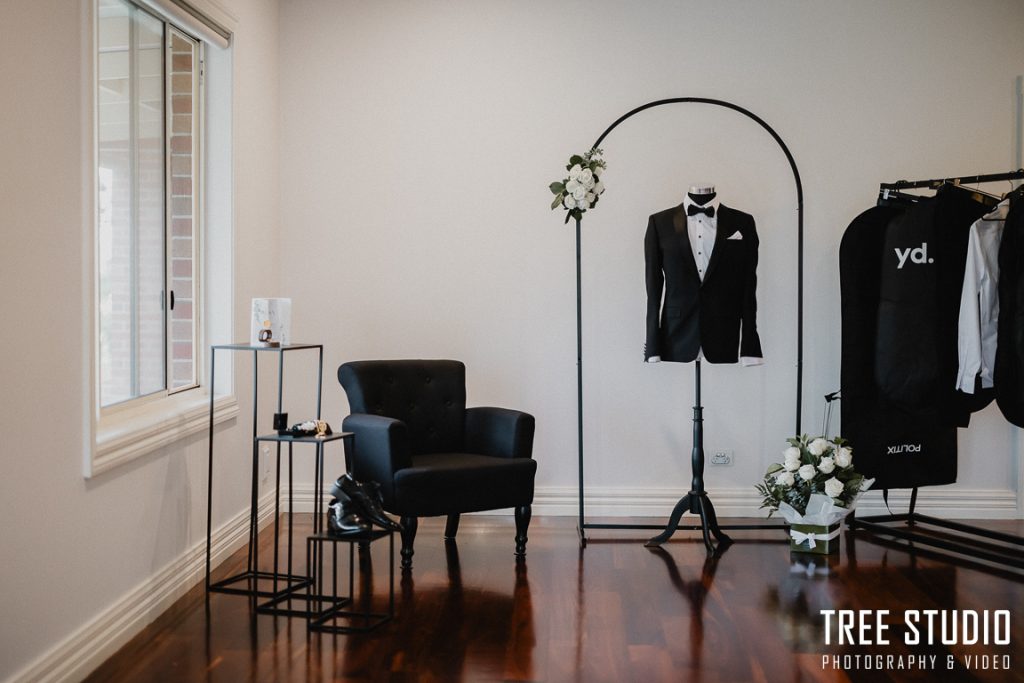
Groom Preparation Photography Checklist
If you’d like more detail, you can also refer to my separate blog post: Wedding Photography Checklist.
Accessories & Details:
- Wedding bands
- Suit on a wooden hanger or mannequin
- Shoes, belt, cufflinks
- Tie or bow tie, pocket square
- Watch, perfume
- Invitation card
- Gifts from the bride and gifts for groomsmen
- Sunglasses, cigar, flask
- Cultural items (e.g., Greek crown, traditional jewellery)
Moments to Capture:
- Hair styling or shaving (professional barber if arranged)
- Relaxed, candid moments with groomsmen (beer, whisky, chatting outdoors)
- Best man and groomsmen helping the groom dress
- Opening gifts and reading a letter from the bride
- Groom portraits once fully dressed
- Group photos with groomsmen
- Pinning the buttonhole
- Family photos with parents, siblings, and grandparents
- Photos with pets
- Lifestyle elements that reflect the groom (motorbike, sports car, golf, footy, horse, cigar)
- Leaving the house (if time allows)
- Cultural traditions (e.g., drumming, Macedonian dance, live folk music)
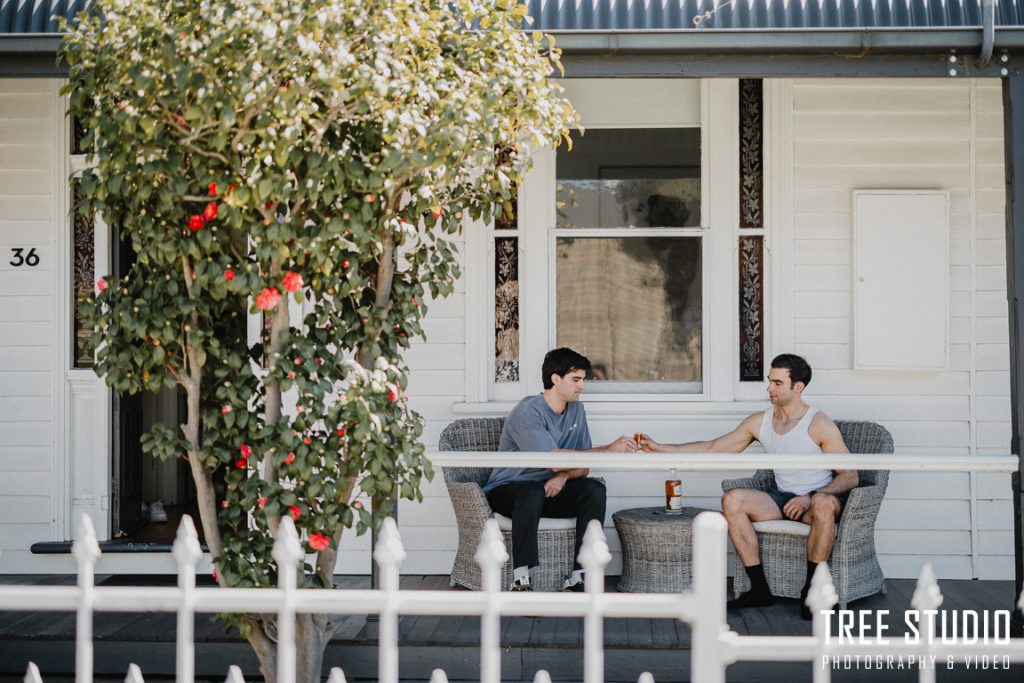
Pro Tips for Groom Preparation Photos
- Allocate a minimum of 60 minutes for groom preparation; allow 90–120 minutes if cultural traditions or extended family photos are involved
- Finish showering and wear a casual shirt before the photographer arrives
- Tidy the room and gather all accessories in one place
- Add simple décor to the getting-ready room to reflect your personal style
- A full-length mirror and mannequin can elevate your photos significantly
- Groomsmen can wear the same suit colour but vary the tie or buttonhole so the groom stands out
- Choose a room with floor-to-ceiling windows if possible; clear furniture near the window for portraits
- Learn how to tie a tie and fold a pocket square before the wedding day — it takes longer than expected
- Parents should be dressed 30 minutes before the groom leaves the house
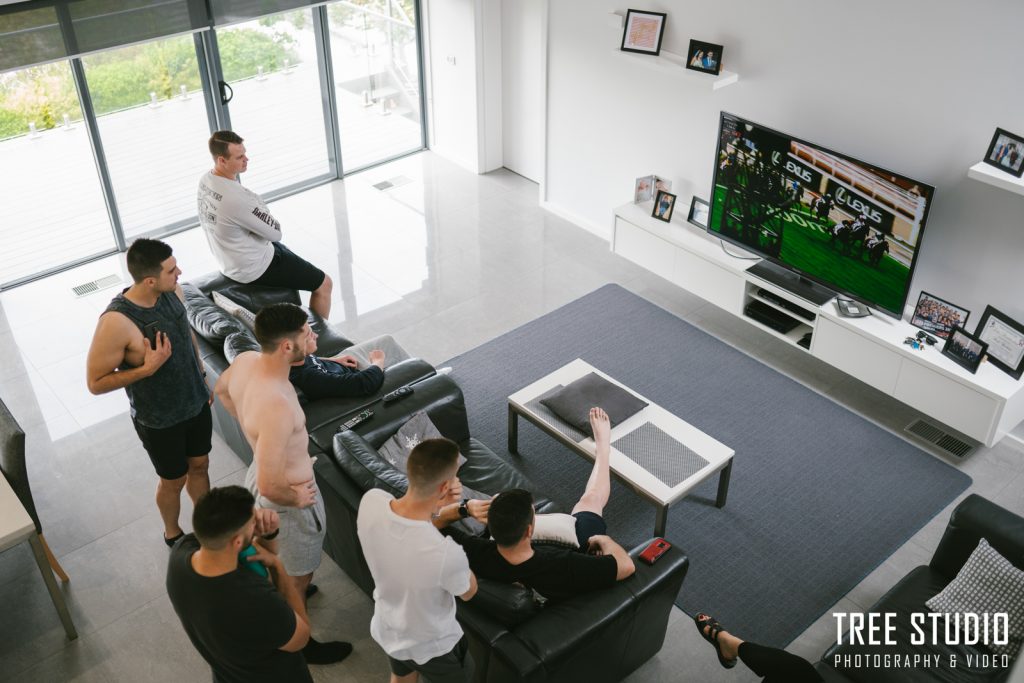
Timing Guide for Groom Preparation Photography
Total time: 1–1.5 hours
- Accessories & details: 10–15 minutes
- Gifts & letter: 5–10 minutes
- Candid and relaxing photos with groomsmen: 10–15 minutes
- Groom getting dressed: 10–15 minutes
- Groom portraits: 10–15 minutes
- Family photos: 10–15 minutes
- Traditions: extra time as requested
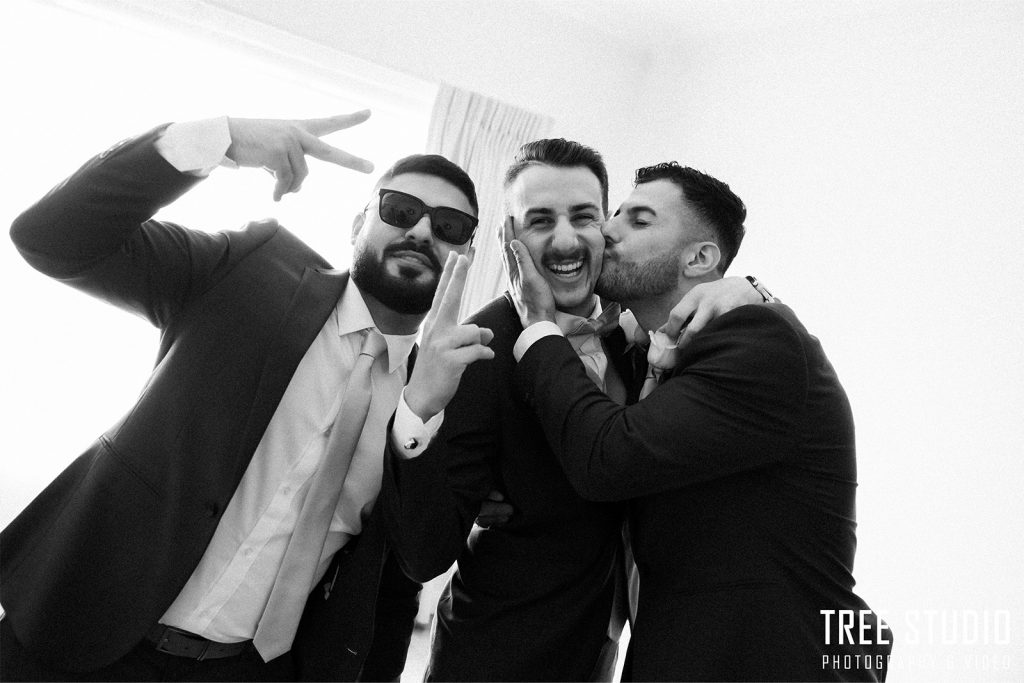
Why Groom Preparation Photos Are So Important
This is the very beginning of your wedding day. A relaxed and positive start helps ease pre-wedding nerves and allows the groom to warm up in front of the camera.
Many of the most meaningful moments happen here — opening a gift from the bride, reading a handwritten letter, receiving blessings from parents. These moments are real, emotional, and cannot be recreated after the day.
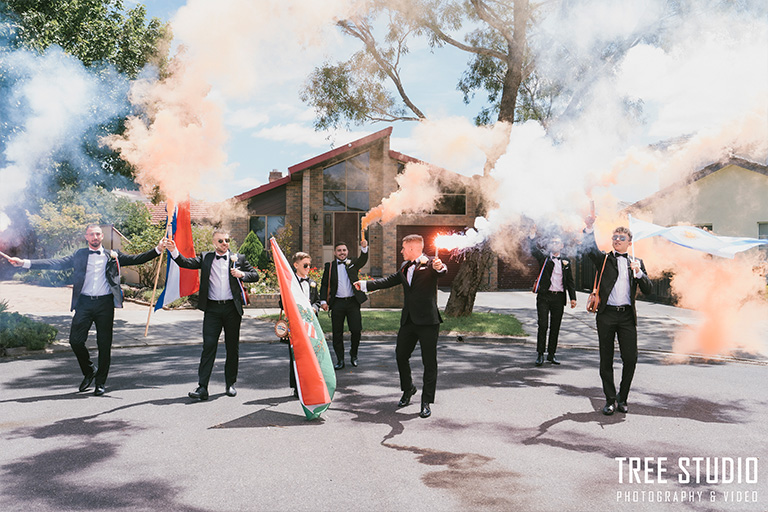
How to Get Great Groom Preparation Photos
Time always moves faster on a wedding day. If you want your photos to feel effortless and unforced, one hour is the absolute minimum. If you include traditions, cultural rituals, or a grand departure with motorbikes or sports cars, you’ll need extra time.
You don’t need to force a big smile. A calm, confident expression often creates timeless, editorial-style portraits.
If you’re athletic and want to show your best shape, good posture makes a huge difference. A few months of gym training before the wedding can noticeably improve your groom preparation photos.
What Happens During Groom Getting Ready
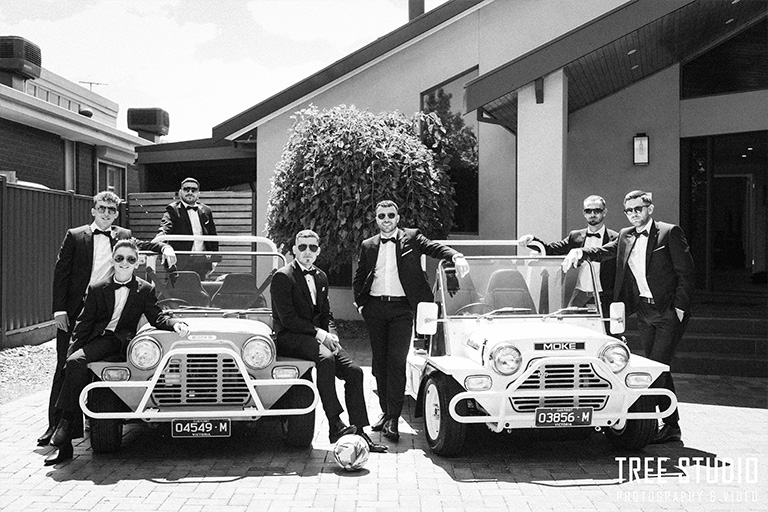
Relax — it’s just wedding preparation. Keep everyone in casual clothing before things become formal. Have a beer or whisky, spend time outdoors if the weather allows, play footy, golf, or simply chat. This relaxed environment helps everyone settle and allows your photographer to capture natural, candid moments.
Typical moments include:
- Groom and groomsmen having fun
- Toasting together
- Photos with pets
- Ironing shirts
- Organising accessories
Groom & Groomsmen Dressing
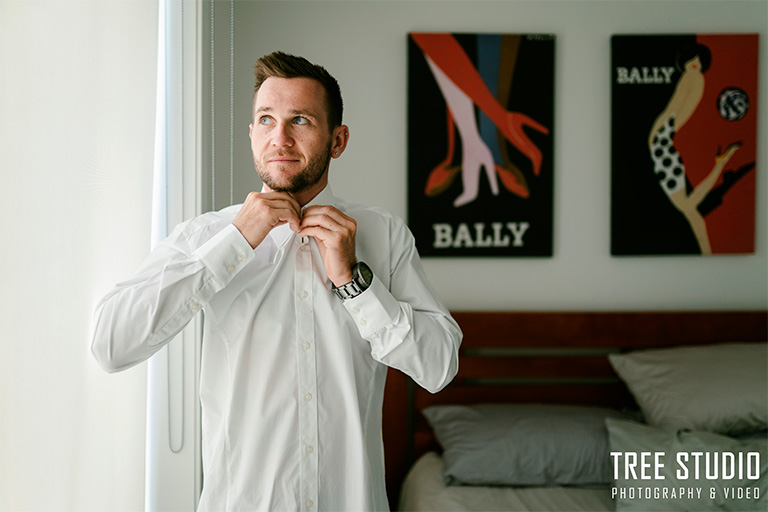
Before photographing the boys getting dressed, I’ll assess the room for good light and clean backdrops. Bags, rubbish, water bottles, snacks, and TVs should be removed or turned off.
Groomsmen can change into shirts and trousers in separate rooms, then help each other with ties, cufflinks, and jackets.
Common moments captured:
- Putting on socks, shoes, cufflinks
- Parents helping with tie or buttonhole
Groom Portraits & Group Photos
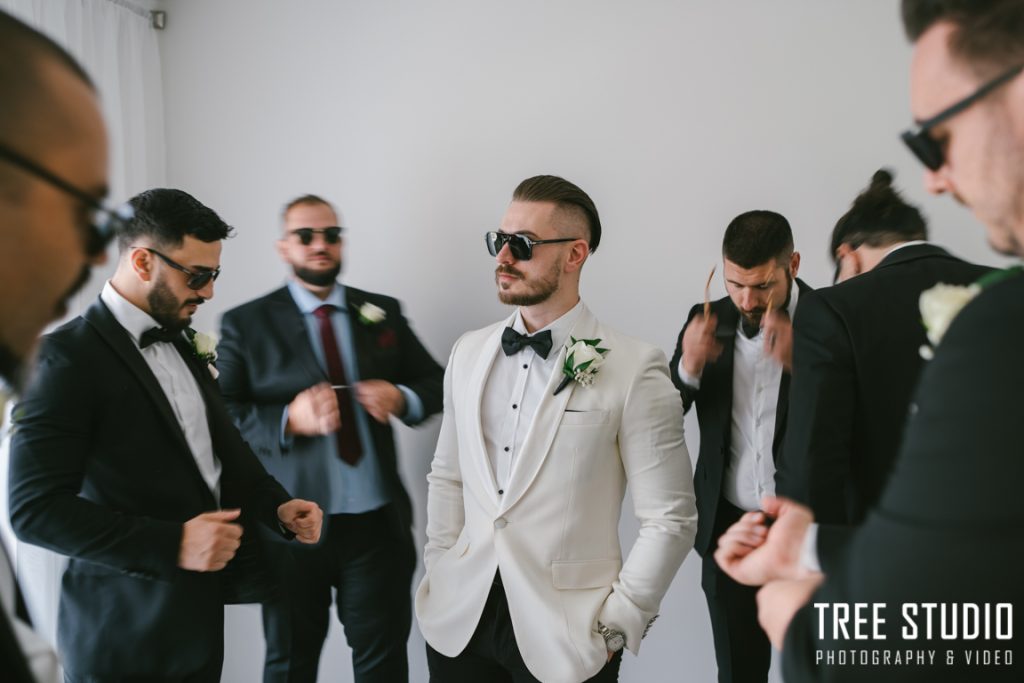
Once fully dressed, we take individual groom portraits — adjusting cufflinks, checking the mirror, and refining details.
Depending on weather and style, portraits can be taken indoors or outdoors. Group portraits with groomsmen can be done at this stage or after the ceremony if time is short.
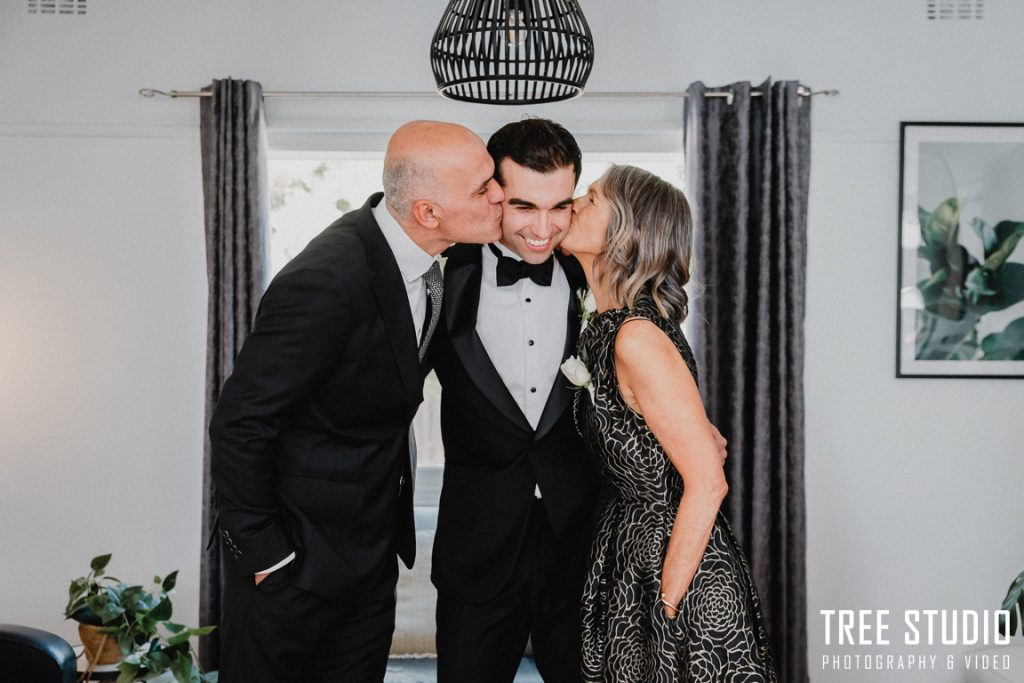
Family Photos
Family plays a crucial role on the wedding day. I recommend taking a small number of family photos with parents and immediate family before leaving for the ceremony. A full formal family session will usually take place after the ceremony.
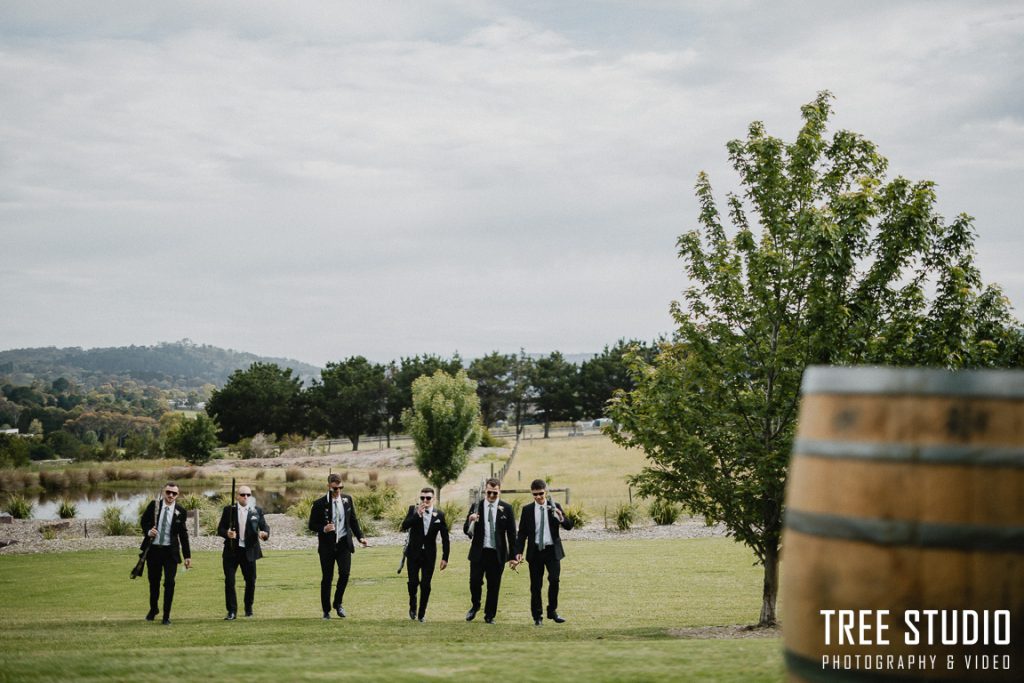
When Should the Photographer Arrive?
Ideally, 1–1.5 hours before the groom is ready to leave.
The groom and groomsmen should have finished showering and shaving but still be in casual clothing.
Groom Preparation with Cultural Traditions
Please let your photographer know in advance if you have cultural traditions such as shaving rituals, Macedonian dance, zafee drum playing, tea ceremonies, parade, lion dance, or picking up the bride. This allows us to estimate the extra time you need. These traditions are very important to certain communities.
Depending on the complexity, I recommend allowing an additional 30–60 minutes beyond standard groom preparation time.
The Bride’s Morning
A Guide to an Elegant Bride Preparation
Once the groom’s preparation is complete, the photographer’s focus naturally shifts to the bride. While the groom’s session is often relaxed and candid, the bride’s morning is where true editorial storytelling begins.
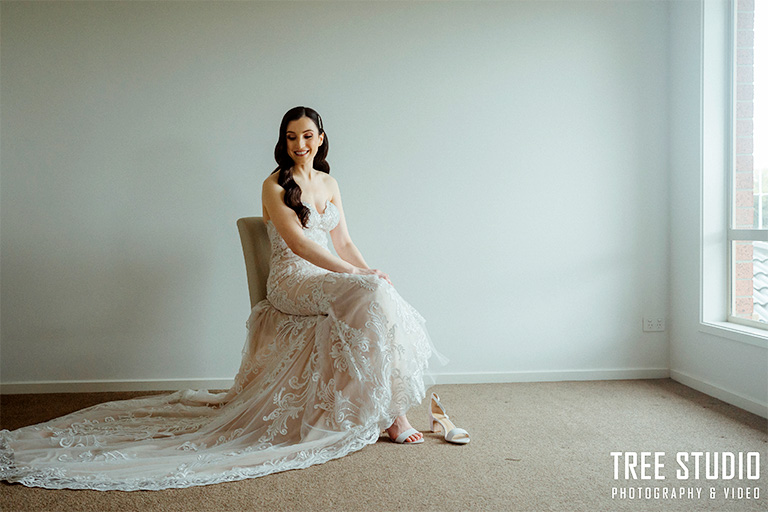
This is the time to capture refined details—the flowing gown, Cinderella shoes, jewellery, and sentimental keepsakes—in a timeless and elegant way. To achieve a high-end, effortless look, three elements are essential: preparation, space, and time.
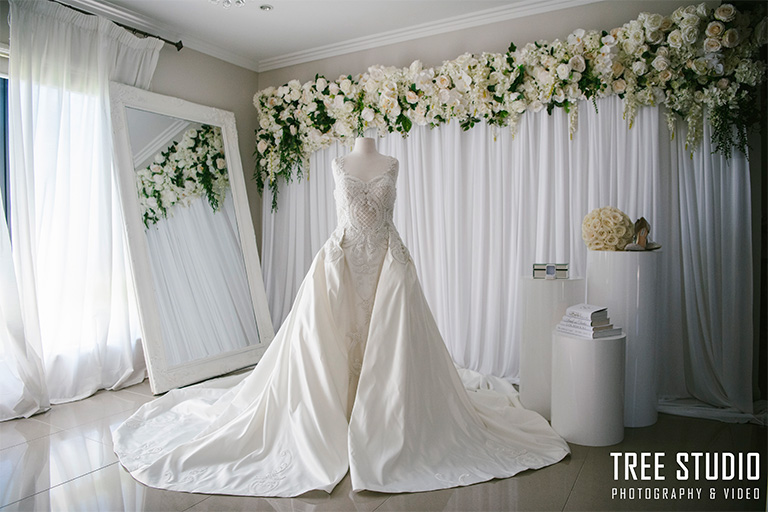
Quick Tips for a Flawless Morning
- Allow enough time: We recommend a minimum of 1.5 hours for bride preparation photography.
- The “Ready Rule”: Hair and makeup should be fully completed before the photographer arrives.
- Choose the right space: A tidy, spacious room keeps the focus on you—not distractions.
- Posture matters: Practising good posture in the months leading up to the wedding makes a noticeable difference in your portraits.
- Prepare your details: Gather all meaningful items—especially jewellery—in one place.
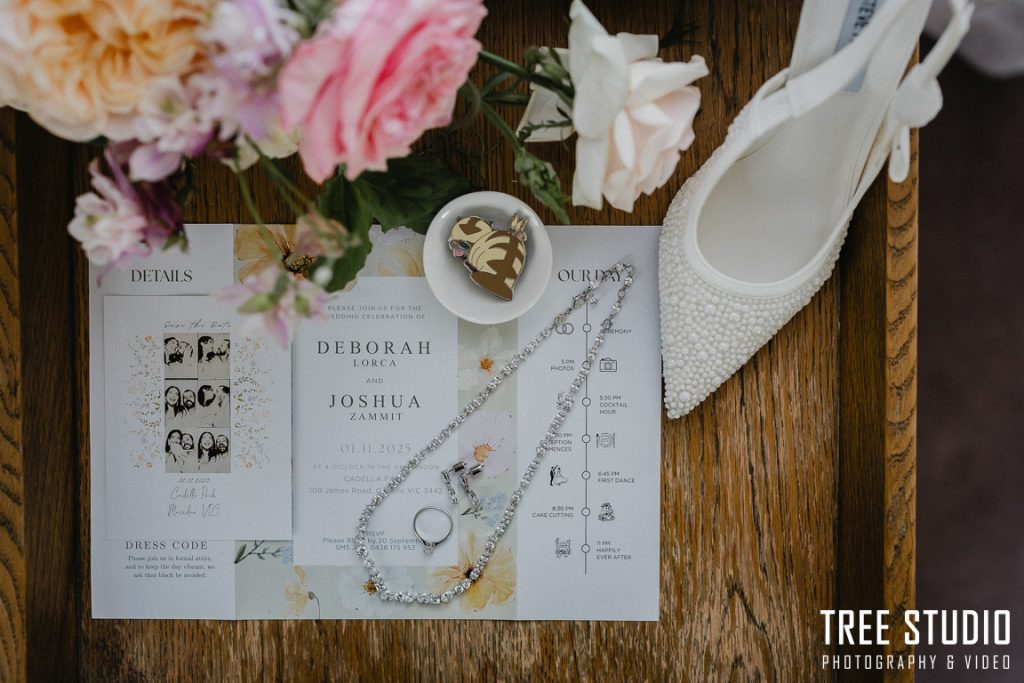
Before Your Photographer Arrives
The Beauty Buffer
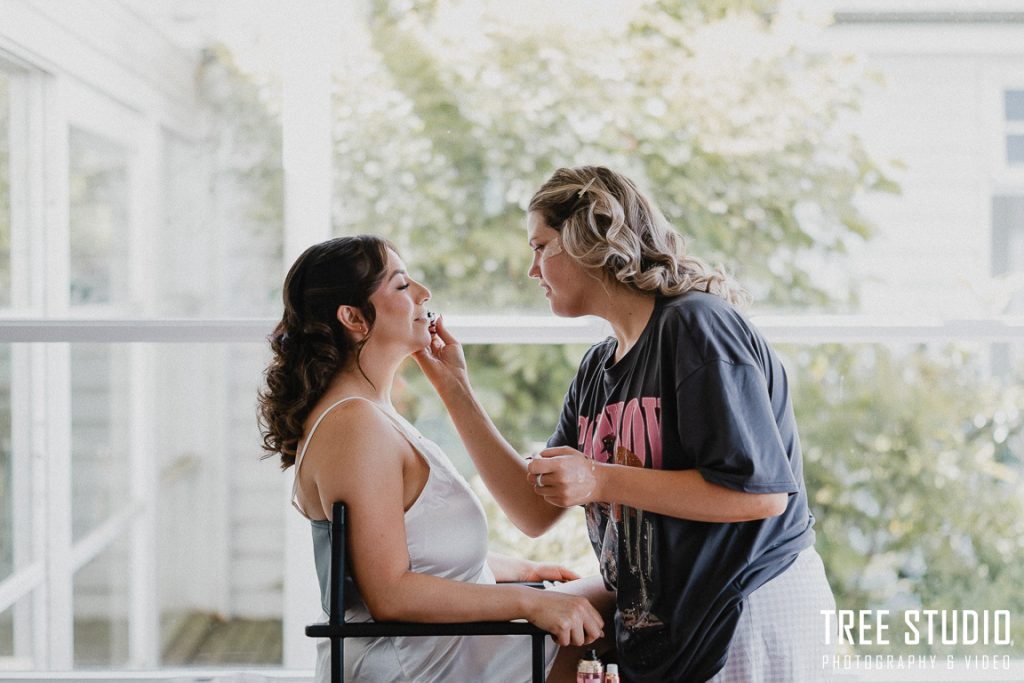
Ensure the bride, mother of the bride, and bridesmaids finish hair and makeup at least 30 minutes before the photographer arrives. This buffer allows for unexpected delays and keeps the atmosphere calm and unrushed.
It’s helpful for the Mother of the Bride or Maid of Honour to be ready first so they can assist with coordination while you enjoy your final touches.
Prepare the Canvas
Choose a room with the best natural light—usually a master bedroom or a spacious living area. Clear clutter and, if necessary, move furniture to create a clean, studio-like environment.
If you’re unsure which room works best, send a few photos to your photographer beforehand for professional advice.
Curate Your Details
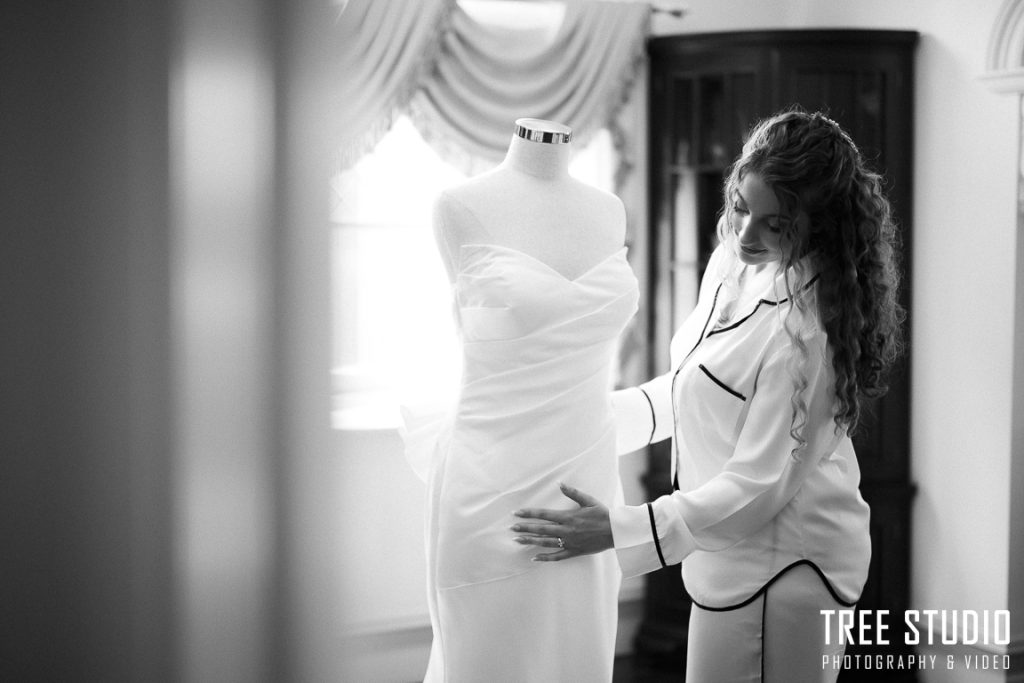
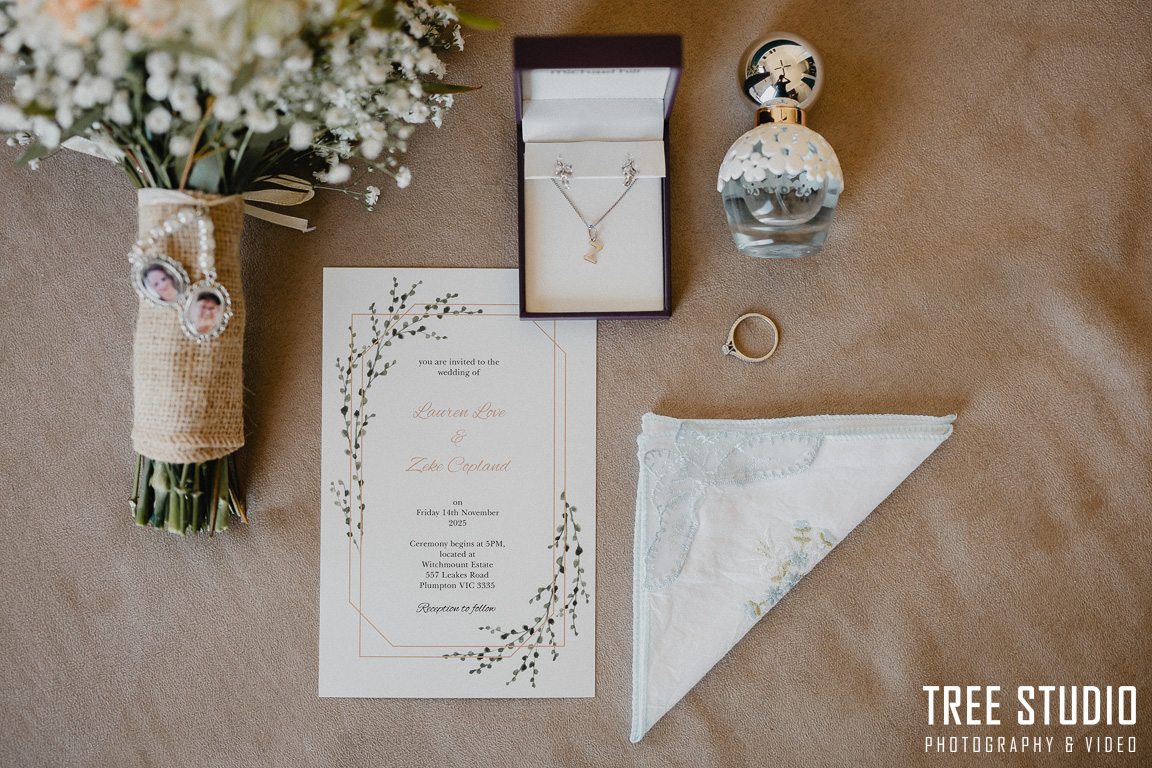
Gather your gown, shoes, perfume, invitation suite, jewellery, and bouquet in one room. For an editorial look, consider hanging your gown on a wooden hanger, mannequin, or stylish rack.
Having everything ready allows your photographer to begin immediately with elegant flat-lay and detail shots.
Coordinate the Inner Circle
If you plan to include extended family portraits at home, let everyone know the exact arrival time.
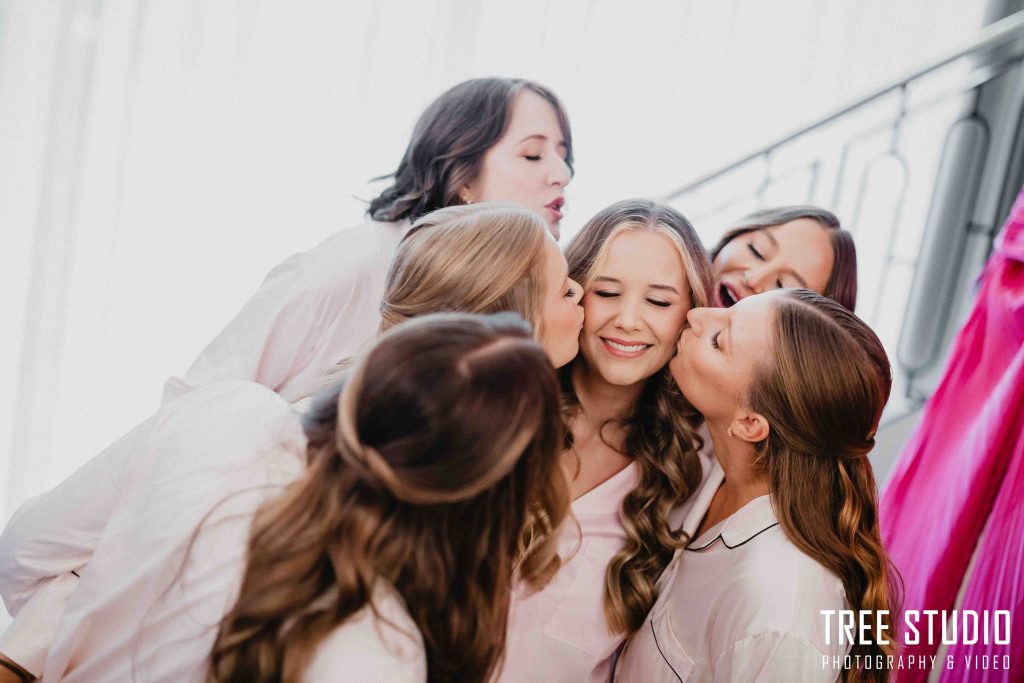
For cohesive “getting ready” images, ask bridesmaids to wear matching robes or pyjamas during the final preparation moments.
Bride Preparation Photography Checklist
Accessories & Details
- Wedding gown & veil
- Bridesmaid dresses
- Engagement & wedding rings (with ring box)
- Invitation suite
- Shoes (heels for photos + comfortable flats)
- Perfume
- Jewellery (earrings, necklace, bracelet, tiara, headpieces)
- Sunglasses & handbag
- Gifts
- Bouquet
Moments to Capture
- Makeup touch-ups (with artist or mock touch-up by bridesmaid)
- Candid moments: laughing, chatting, bonding
- Reading a letter from the groom
- Photos with pets (before the dress is on)
- Opening champagne
- Robe photos with bridesmaids
- Bridesmaids helping the bride into her dress and shoes
- Father of the bride “first look”
- Mum placing the veil or jewellery
- Bride solo portraits
- Spraying perfume, putting on jewellery
- Bridesmaids fully dressed with the bride
- Giving gifts to bridesmaids
- Pinning the buttonhole
- Family portraits
- Cultural traditions (e.g. Zaffer escort, Macedonian dance)
- Bride leaving the house or stepping into the limousine (time permitting)
Pro Tips for Stunning Bride Preparation Photos
- Standard timing: 90 minutes; allow 2 hours if family or cultural traditions are involved.
- Finish hair and makeup 30 minutes before the photographer arrives.
- Choose a spacious, well-lit room—especially important for ball gowns or long trains.
- Use a quality wooden hanger or mannequin for an elevated look.
- Light posture-focused exercise (gym or Pilates, especially neck and shoulders) greatly improves portrait elegance.
- Wear luxury heels for photos only—bring flats for comfort.
- Ask bridesmaids to practise fastening your dress beforehand to save time.
- A full-length mirror that suits your wedding style adds depth and storytelling.
- Don’t stress about posing—your professional wedding photographer will guide you.
- If your home has a garden or pool, ensure it’s tidy for optional outdoor portraits.
- Parents should be dressed 30 minutes before departure for family photos.
- Being on time matters—but the bride is allowed a graceful 5–10 minute delay.
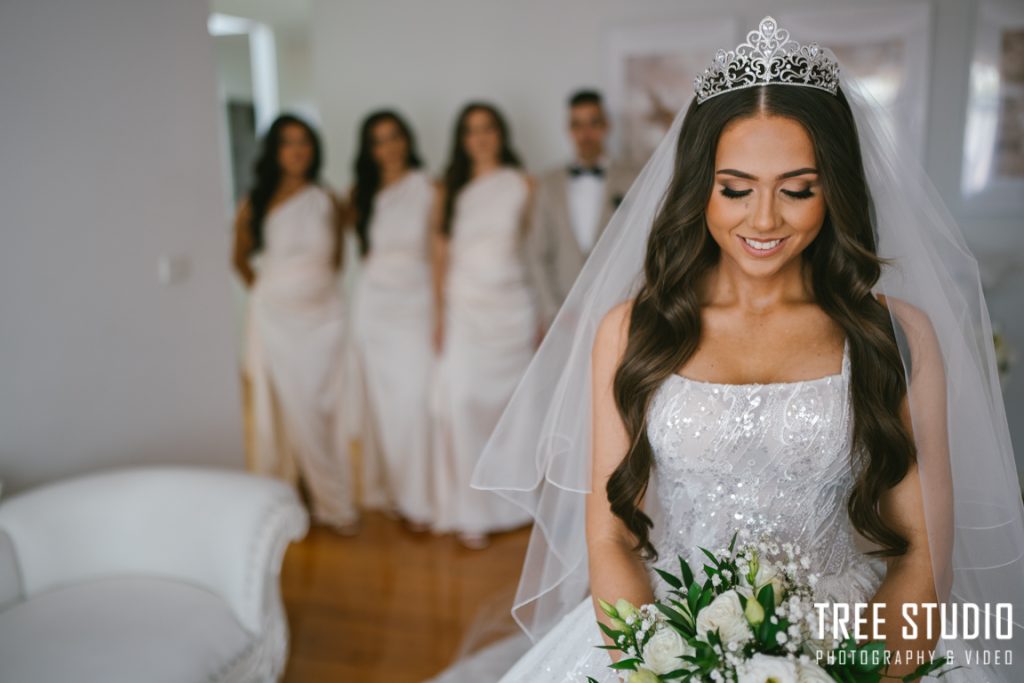
Timing Guide for Bride Preparation Photography
Total time: 1.5–2 hours
- Details & accessories: 10–15 minutes
- Candid moments: 10–15 minutes
- Champagne celebration: 5 minutes
- Changing into the gown: 10 minutes
- Bride portraits: 15–20 minutes
- Family photos: 10–15 minutes
- Cultural traditions: as required
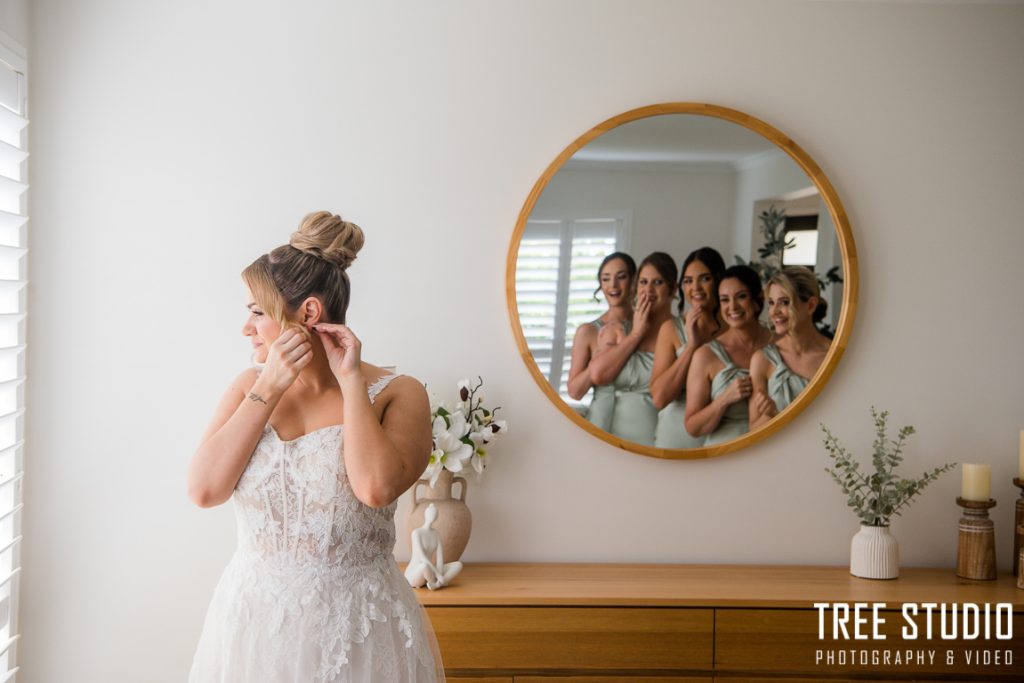
What Matters Most for Bride Preparation Photos?
Finish Makeup on Time
One of the most common issues wedding photographers face is delayed hair and makeup. A slight delay of 5–10 minutes is manageable, but delays of 30–60 minutes force photographers into difficult decisions—rushing the bride, skipping moments, or delaying the ceremony.
Always plan a 30-minute buffer.
Organise Your Accessories
Arrange all personal items—especially small pieces like earrings, rings, and invitations—in one room. This avoids unnecessary stress and wasted time on your wedding morning.
Practise Getting Into the Dress
Dress designs vary greatly. A simple zip is quick, while a ballgown with corsets, ribbons, or bustles can take up to 30 minutes. Have bridesmaids practise beforehand so they’re familiar with the process.
Prepare Family Members
Ensure parents and key family members are dressed and ready 30 minutes before the bride leaves the house.
Outdoor Preparation
If you plan outdoor photos and have pets, ensure the garden is tidy and grass is trimmed.
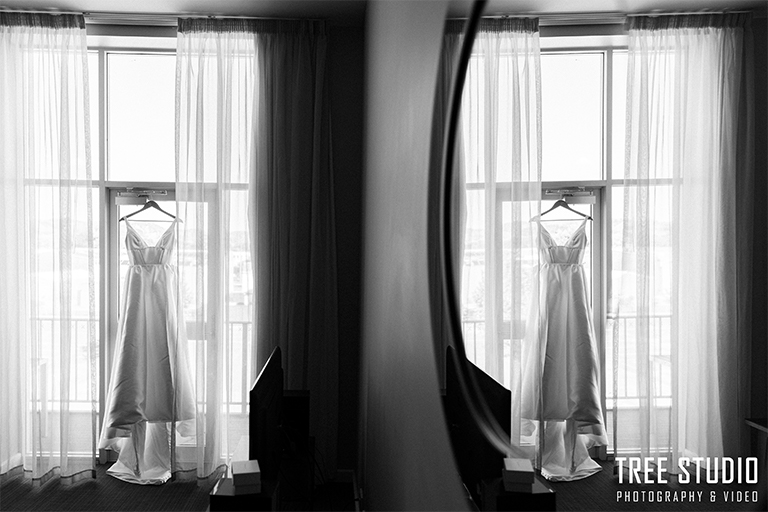
How to Make Bride Preparation Look Glamorous & Elegant
You can find inspiration from wedding magazines such as Hello May or publications like Vogue. You don’t need to be a professional model—overthinking can create unnecessary pressure.
However, basic posture awareness makes a huge difference:
- Avoid rounded shoulders
- Keep your neck long and chin slightly forward
- These small adjustments naturally enhance elegance and reduce double chin appearance
With good posture, half the work is already done—your photographer will guide the rest.
Styling the Room
If you want a light, airy, and fresh look:
- Use light-coloured curtains to soften window light
- Move dark furniture out of frame
- Limit the room to no more than three main colours
Adding indoor plants (e.g. fiddle leaf fig, monstera) brings life and softness to photos and suits most wedding styles.
How Much Time Should You Allocate?
- Most weddings: 1.5 hours
- Short coverage: minimum 60 minutes
- Cultural traditions (e.g. Lebanese Zaffe): 2–2.5 hours
Vendors to Confirm for Bride Preparation
Ensure these vendors have your morning timeline and address:
- Makeup artist
- Hair stylist
- Wedding photographer
- Videographer
- Florist
For example, confirm the exact bouquet delivery time with your florist.
If you change your itinerary or location, contact vendors directly and confirm they’ve received the update.
Handling Unexpected Situations
- Forgot jewellery: Borrow from bridesmaids or have someone retrieve it later. Wear your preferred jewellery at the ceremony or photos—don’t pause the schedule for more than 5–10 minutes.
- Transport delay: If your chauffeur is stuck in traffic and cannot provide a clear arrival time, use an Uber or the photo car to avoid ceremony delays.
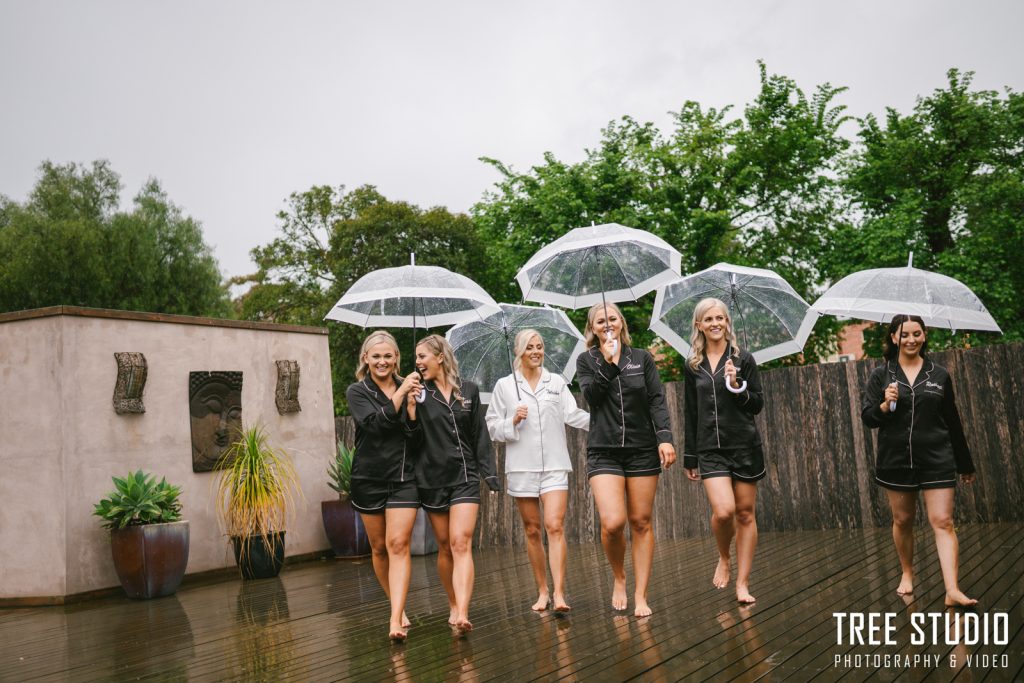
- Rain: Clear umbrellas work well for robe photos, but avoid outdoor photos in your wedding dress.
- Dark rooms: Ask your photographer to bring external lighting or move to another room with better natural light.
Rule of thumb: Don’t let small issues affect your entire wedding day.
Wedding Ceremony Photography
During groom and bride preparation, the photographer plays multiple roles: participant, time manager, and guide—giving direction at key moments.
For the wedding ceremony, a professional wedding photographer adopts a documentary, photojournalistic approach, aiming to capture authentic emotions, tears, and unscripted moments while minimally interfering with the proceedings. Your genuine reactions and emotions are the focus, creating lively and heartfelt memories.
It’s important to note that during the ceremony, the photographer has very limited ability to direct you. Many moments cannot be repeated, so planning ahead and being aware of the schedule is essential.
Timing Tips:
- Summer weddings: Schedule the ceremony in the late afternoon. With daylight saving, sunset is later, leaving sufficient light for family and bridal party photos afterward.
- Winter weddings: Hold the ceremony earlier to avoid dark or poor lighting conditions.
Moments and Subjects to Photograph:
- Groom greeting guests
- Wedding arch, floral arrangements, and décor details
- Musicians (violinists, cellists, pianists, harpists, etc.)
- Guest mingling
- Bride’s arrival and father walking the bride from the car to the altar
Tip: If only one photographer is hired, wait in the car until the arrival is captured - Flower girls, page boys, and bridesmaids walking down the aisle
- Bride holding her father’s arm walking to the altar
- Groom’s first look and reaction
- Celebrant or priest reading
- Cultural rituals (e.g., lighting candles, Sri Lankan drummers, other traditions)
- Reading vows and exchanging rings
- First kiss
- Signing the marriage certificate
- Bride and groom walking down the aisle together
- Guests throwing flower petals, confetti, or rice (e.g., Greek traditions)
A professional photographer ensures these moments are captured naturally and beautifully, preserving the story of your day without interruption.
Pro Tips to Elevate Your Wedding Ceremony Photos
Bride’s Arrival
Many brides arrive in a limousine, vintage Rolls-Royce, or even a fairy-tale-style horse carriage. To capture this epic moment, we recommend staying inside the car until your wedding photographer is ready—sometimes the photographer may still be photographing inside the church or venue.
When you arrive, gently roll the window halfway down to let natural light in. Lean slightly toward the window and wait calmly for your father or chauffeur to open the door. This creates beautiful, candid images filled with anticipation and emotion.
Before stepping into the church or garden ceremony, ask a bridesmaid to quickly check your dress and train so it flows naturally.
Walking Down the Aisle
As rehearsed, the music will begin for the flower girls, page boys, bridesmaids, and bride. Take a deep breath—within the next minute, you will be the focal point of the entire ceremony.
Walk at a slow, relaxed pace and leave a generous gap between each person (ideally 5–10 metres). This spacing allows the photographer to capture each individual clearly and beautifully.
For an elevated perspective, some churches have balconies where musicians or organists perform. If a second photographer is booked, one can photograph from above, capturing a wide-angle view of the entire church as your long train flows down the aisle—an unforgettable, cinematic moment.
Wedding Ceremony Regulations and Lighting Conditions
Some churches and wedding venues in Melbourne have specific regulations that couples and photographers need to be aware of. For example:
- Certain churches allow only one photographer and one videographer inside during the ceremony.
- Some venues, such as St Patrick’s Cathedral, prohibit the use of flash during the service.
- Some priests are very strict about movement during the ceremony and may not allow photographers to move freely, as they want minimal interference with the proceedings.
- In Greek Orthodox churches, photographers are not allowed to step on the altar.
If your church or priest has clear rules, it’s important to inform your wedding photographer in advance. This helps avoid unnecessary stress or delays on the wedding day.
Lighting can also be a challenge in some venues. For example, Montsalvat and other older or more intimate venues can be quite dark. Discuss your photographer’s approach to lighting ahead of time so they can plan how to capture clean, crisp images while respecting the venue’s restrictions.
Proper planning ensures your wedding photos remain beautiful, regardless of rules or lighting conditions.
Backup Plan for Outdoor Wedding Ceremonies
Melbourne’s weather is famously unpredictable. If you are planning an outdoor wedding ceremony—for example at a winery, garden, or vineyard—it’s essential to have a backup plan in place.
Fortunately, many wedding venues such as Stones of Yarra Valley, Zonzo Estate, and Marnong Estate offer beautiful chapels or conservatories that can be used on rainy days.
Make sure your backup plan is confirmed well in advance and that your wedding photographer, as well as your guests, are informed of the alternative location. Without clear communication, guests may have trouble finding the backup venue, and your wedding day timeline could face significant delays.
Planning ahead ensures that rain won’t rain on your parade, and your photos and ceremony can proceed smoothly, no matter the weather.
Unplugged Wedding Ceremony
In today’s digital age, many guests instinctively reach for their phones or tablets to take photos during key moments, such as when the bride walks down the aisle. Imagine the wedding photographer standing beside the groom at the end of the aisle—if multiple guests are holding up phones, they can block the photographer’s view or even appear in your wedding images, creating unwanted distractions.
To avoid this, consider an unplugged wedding ceremony. You can ask your celebrant or priest to remind guests to put down their devices during the ceremony, giving your professional photographer full access to capture the day beautifully. This ensures the most important moments are preserved without interference.
First Kiss
The first kiss is one of the most important moments of your wedding day. In some venues, especially darker churches, cameras may take slightly longer to focus, making it crucial to hold the kiss a little longer.
For dramatic effect, grooms who want a cinematic first kiss—such as dipping the bride and holding her waist—should maintain the pose slightly longer. This gives your photographer the time to capture the perfect, unforgettable shot.
Flower Petals and Confetti
The couple’s exit is a joyful and memorable moment.
Natural flower petals are usually permitted at outdoor venues such as Royal Botanic Gardens Victoria and Carlton Gardens.
For church ceremonies, guests can gather outside and throw petals or confetti as the couple exits.
Tips:
- Guests should throw petals into the air, not directly at the couple
- Coordinated throwing creates vibrant, energetic images
- Rice throwing is traditional in some cultures, but may be difficult to remove from hair and clothing
FAQ – Wedding Ceremony Photography
Melbourne is a multicultural city, and many ceremonies include unique traditions.
Examples include:
- Greek Orthodox ceremonies
- Chinese and Vietnamese tea ceremonies
- Sri Lankan ceremonies with traditional drummers
Please inform your photographer of all traditions in advance.
Late arrivals can disrupt important moments such as the bride’s entrance.
Your coordinator or celebrant should guide late guests to enter quietly at an appropriate time.
Your photographer will prepare suitable equipment. However, some venues do not allow flash photography. Please inform your photographer of any restrictions in advance.
If you are planning an outdoor ceremony in locations such as the Yarra Valley, Dandenong Ranges, or Mornington Peninsula, the natural scenery—vineyards, gardens, and coastal views—can provide a stunning backdrop.
Lighting is extremely important, especially during summer. When planning your ceremony location, consider the sun’s position and avoid standing in direct sunlight, which can cause discomfort and squinting.
If possible, visit the venue at a similar time of day and season to choose the optimal ceremony position.
Melbourne’s weather can also be unpredictable, so it is essential to have a confirmed backup plan in case of rain or strong winds.
Your photographer should arrive at least 30 minutes before the ceremony to capture:
- Guest arrivals
- Venue and décor details
- Groom greeting guests
- Candid moments
Family Photos
Family photos usually take place immediately after the ceremony. This is a very important task for the wedding photographer, and the bride and groom should organize the nominated groups from the family photo list to ensure everything runs smoothly. Many close family members will expect these photos, often valuing them even more than bridal portraits, so it’s essential to get great shots for your guests.
Where to Take Family Photos
As a rule of thumb, take family photos at the location of the ceremony. Avoid moving to different locations or waiting until the reception if possible. Changing locations often causes delays—family members may take time to travel, and traffic or parking issues can slow the process.
Sometimes couples postpone family photos to the reception, but if people disperse after the ceremony, it becomes very difficult to gather everyone from the family photo list at the same time. Sticking to the ceremony location is the most practical and efficient approach.
Who Organizes Family Photos
The bride and groom should prepare the family photo list and appoint someone—such as a parent, best man, or maid of honor—to call each group for their shots. The photographer cannot memorize all family members and some important people may only be present for the ceremony.
The wedding photographer will select the optimal spots for the photos and determine the best angles and lighting to ensure professional-quality results.
What to Be Aware Of
If there are amateur photographers among your guests, kindly ask them to let the professional photographer take the photos first. Multiple cameras being used simultaneously can confuse subjects and disrupt the session, so it’s important to manage this in advance.
Indoor or Outdoor Family Photos?
Ideally, take family photos outdoors. Natural backdrops, such as trees or clean walls, provide a beautiful setting, and outdoor lighting usually gives the photographer optimal conditions.
In some circumstances—such as busy streets outside St. Michael’s Uniting Church on Collins Street, or for very large groups—it may be necessary to take photos indoors. On rainy days, indoor photos are unavoidable, and the photographer may use external LED lights or flash, depending on their preference, to ensure high-quality images.
How Long Will It Take?
Family photos usually take about 30 minutes. If you have a large family photo list, want to mingle with guests afterward, or provide refreshments like high tea, the session can be extended. However, make sure to balance the timing if you still plan to take bridal party photos at multiple locations afterward.
Wedding Photo Locations in Melbourne
For couples planning their wedding in Melbourne, there are generally two common scenarios when it comes to choosing locations for bridal party photos.
The first is an all-in-one wedding venue, where photography can take place entirely on site. Well-known examples in Melbourne include Marnong Estate, Stones of the Yarra Valley, Tatra Receptions, Montsalvat and Rippon Lea Estate.
These venues often feature beautiful gardens, distinctive architecture, and scenic landscapes, offering couples a wide variety of photo opportunities without needing to travel elsewhere for bridal party portraits.
In contrast, the second type of venue usually has limited space or fewer photographic settings. Venues such as Metropolis Events, Leonda By The Yarra, Vogue Ballroom and Manor on High are typically located in the city or built primarily for receptions. In these cases, couples often choose to take their bridal party photos off-site, usually in the Melbourne CBD or nearby areas where many iconic photo locations are easily accessible.
Time Allocation for Wedding Photo Locations
If you are getting married at an all-in-one wedding venue, we recommend allocating at least 60 minutes for bridal party photos. During winter, it is often wise to allow extra time in case the schedule runs late or daylight becomes limited.
For couples who plan to take photos in the Melbourne city area, it is better to allow 2–3 hours in total. This allows enough time for travel, parking, and moving between locations. If your wedding is held on a weekday, it is also important to consider Melbourne’s peak-hour traffic when estimating travel time back to your venue.
How to Choose Your Wedding Photo Locations
The approach to selecting photo locations also depends on your wedding scenario.
For couples getting married at an all-in-one venue, you can explore our featured wedding venue pages, where we list many of the venues we have photographed across Melbourne and Victoria—over 350 venues in total. Each page includes real weddings we have photographed, along with a brief overview of the venue’s photo opportunities.
If you need more detailed or customised advice, you are always welcome to contact us. Our studio manager will be happy to answer your questions via email or phone. Every venue has its own unique characteristics—iconic photo spots, seasonal advantages, and sometimes limitations—so it is always beneficial to work with an experienced photographer who is familiar with your chosen venue. When selecting a photographer, it is also helpful to check their portfolio to see whether they have previously photographed weddings at your venue.
For couples planning to take photos off-site, the process is often simpler. Many couples choose locations within the Melbourne city area, where some of the most iconic wedding photography spots can be found.
At Tree Studio, we have curated a guide to the Top 20 Wedding Photo Locations in Melbourne. This guide carefully highlights some of the most representative locations in the city, including gardens, beaches, and historic architecture. Each location includes detailed information about photo opportunities, advantages and limitations, permit requirements, video tours, and 3D visuals to help couples plan more effectively.
How Many Locations Should You Choose?
When planning your wedding photo schedule, it is best not to be overly ambitious. For example, trying to visit four or five locations within two hours can quickly become exhausting and rushed.
Ideally, you should allow 40–60 minutes per location. As mentioned earlier, it is important to consider travel and parking time. In busy areas of Melbourne, photographers often spend longer finding parking than the bridal party does, since the chauffeur can drop the bridal party off while the photographer parks the vehicle.
Factors to Consider When Choosing Locations
Your final choice of wedding photo locations should depend on several factors, including:
- the season and time of day
- the style of your wedding venue
- whether you prefer natural scenery or historic architecture
- your overall wedding schedule and budget
Some locations in Melbourne may also require permits or location fees. Examples include State Library Victoria, Melbourne Town Hall, Ro
How to Make Your Wedding Photo Locations Look Beautiful
When I ask couples what style of wedding photos they prefer, most say natural and candid. From the couple’s perspective, they don’t want photos to look awkward or forced.
During the bride and groom preparations and the ceremony, photographers can capture genuine moments in a documentary style with very little direction. These parts of the day unfold naturally.
However, during the location photos — sometimes called the bridal party or portrait session — the photographer does need to guide the couple a little. Gentle direction helps create timeless and elegant portraits. These are often the images that become the “money shots”: the photos chosen for enlargements, framed for the home, and included in the wedding album to be kept for a lifetime.
For this reason, I created a blog about how to pose for wedding photos naturally and effortlessly. The guide covers different moments throughout the day and introduces a few simple, universal poses that many couples find helpful. Having a little understanding beforehand can also reduce stress on the wedding day.
A good rule of thumb is to discuss your wedding photo location ideas with your photographer before the wedding day. Let them know your preferences. Some couples want to focus more on emotion and connection, while others prefer to highlight the landscape or architecture of the location. Some couples even secure special permits for certain locations, so naturally they want the scenery and architecture to appear beautifully in their photos.
It is also helpful to tell your photographer what style you prefer — whether it is editorial, romantic, candid, or a mix of styles.
If possible, arrange an in-person meeting with your photographer and bring your partner along. This meeting allows the photographer to understand who you are, your personalities, and how you might feel on the wedding day.
You can also share inspiration photos for bridal party images, couple portraits, or creative ideas for your location session. By exchanging ideas, the photographer can combine your expectations with their professional perspective to bring your vision to life.
To be continued — this guide will be updated weekly.